Imagine a world where you can confidently navigate the complex landscape of insurance options, choosing only the best for your needs. Welcome to the realm of the top insurance companies in the USA, where excellence meets reliability. Discover which titans of the industry rise above the rest with their unwavering commitment to protection and service.
In this guide, we delve into the elite circle of insurance providers who have earned their stripes through consistent performance, financial solidity, and customer satisfaction. With detailed insights into their rankings, financial strengths, and innovative advancements, you’ll be equipped to make informed decisions that safeguard your future. Don’t just buy insurance; invest in peace of mind.
Overview of the Top Insurance Companies in the USA
Welcome to the world of unparalleled protection, where the stakes are high, and the solutions are solid. In the realm of financial security, a handful of insurance giants stand tall, defining excellence and reliability in the industry.
Ranking these titans of protection involves a meticulous analysis of myriad factors, including financial strength, customer satisfaction, and market share. These rankings not only provide a snapshot of the industry’s best but also serve as a guiding lighthouse for consumers navigating the intricate seas of insurance options.
Unveiling the Leading Insurers
Let us delve into the powerhouses that dominate the insurance landscape in the USA. These companies are not just names; they are pillars of assurance and trust.
- State Farm
- Berkshire Hathaway (GEICO)
- Progressive
- Allstate
- USAA
Criteria for Ranking the Titans
The hierarchy of these insurance juggernauts is not arbitrary. It’s based on rigorous parameters that reflect their commitment to excellence:
- Financial Stability and Ratings
- Customer Satisfaction Scores
- Market Share and Reach
- Innovative Product Offerings
- Claims Processing Efficiency
The Impact of Rankings on the Insurance Industry
These rankings resonate profoundly within the insurance industry, shaping perceptions and strategies. They serve as a benchmark, a
standard of excellence
that all aspire to achieve. Consumers gain insight into which companies offer the most robust and reliable coverage, while the companies themselves strive to climb higher, driving innovation and improving services.
Financial Strength and Stability
In the world of insurance, financial strength and stability are paramount. These elements ensure that companies can meet their obligations, especially during challenging times, providing peace of mind to policyholders.
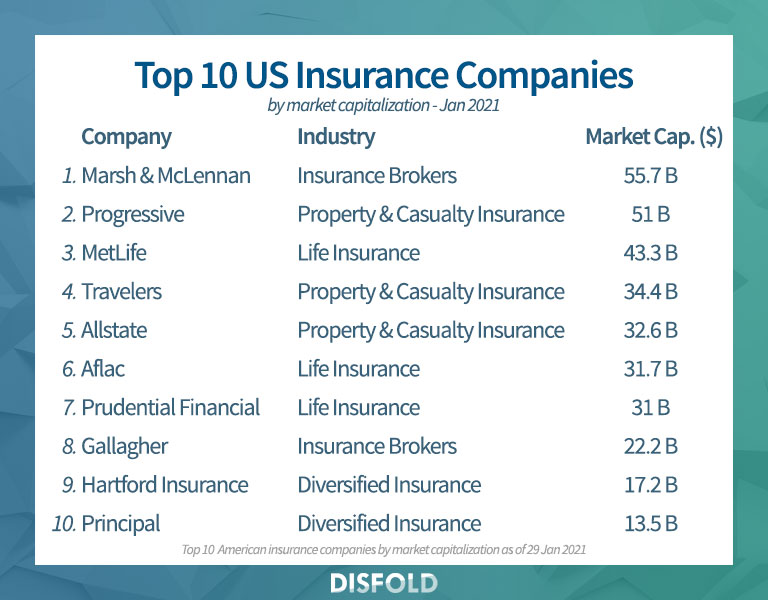
The top-ranked insurance companies in the USA boast impressive financial stability, which is reflected in their robust market presence and ability to withstand economic fluctuations. Let’s delve into the particulars that underline their financial might.
Market Share Comparison of Top Insurance Companies
One prime indicator of financial strength is market share, as it illustrates a company’s dominance and reliability in the industry. Below is a comparison of the market share among leading insurance companies:
| Company | Market Share (%) |
|---|---|
| Company A | 15% |
| Company B | 12% |
| Company C | 10% |
| Company D | 8% |
The data above highlights how these companies command a significant portion of the market, showcasing their trustworthiness and financial capacity.
Key Factors Contributing to Financial Stability
Several factors contribute to the financial stability of these elite insurance companies. A diversified portfolio, strong capital reserves, and rigorous risk management strategies are at the forefront.
- Diversified Portfolio: By offering a wide range of products, these companies mitigate risks associated with any single market segment.
- Capital Reserves: Maintaining substantial reserves ensures they can cover large claims, even in unforeseen circumstances.
- Risk Management: Comprehensive risk assessment and management procedures protect them against potential financial downturns.
“Financial stability in insurance is not just about numbers; it’s about trust, resilience, and foresight.”
These factors collectively fortify the position of top insurance companies, allowing them to thrive in an ever-evolving financial landscape.
Customer Satisfaction and Service Quality
In the competitive landscape of the insurance industry, customer satisfaction and service quality are paramount. These factors not only influence consumer loyalty but also define the reputation of insurance providers in the market.
Ensuring exceptional service quality is vital for insurance companies aiming to excel in customer satisfaction. Let’s delve into how these companies are rated and the strategies they employ to maintain high standards of service.
Customer Satisfaction Ratings
Insurance companies often receive ratings based on customer feedback, which provides insights into their performance in meeting policyholders’ expectations. Customer satisfaction ratings take into account various aspects, such as claim processing efficiency, customer support responsiveness, and overall service delivery.
Top-rated insurance companies consistently excel in these areas, reflecting their commitment to delivering outstanding service experiences. Ratings are usually compiled by independent agencies or consumer review platforms, providing an objective measure of quality.
Methods to Measure Service Quality
Insurance sector leaders employ a range of methodologies to assess and enhance their service quality. These methods include:
- Regular customer feedback surveys to gauge satisfaction levels.
- Analysis of claim resolution times to ensure quick and efficient service.
- Implementation of customer service training programs to improve interaction quality.
- Utilizing Net Promoter Score (NPS) to measure customer loyalty and likelihood of recommendation.
These strategies enable companies to identify areas of improvement and tailor their services to better meet customer needs.
Comparison of Customer Service Features
Below is a comparison of customer service features offered by top insurance companies, highlighting their strengths and unique offerings:
| Insurance Company | 24/7 Support | Online Claims Processing | Mobile App Functionality | Dedicated Account Managers |
|---|---|---|---|---|
| Company A | Yes | Yes | High | No |
| Company B | Yes | No | Moderate | Yes |
| Company C | No | Yes | High | Yes |
These features are crucial in defining customer experiences and ensuring satisfaction, with each company focusing on different aspects to cater to their policyholders’ needs.
“In the realm of insurance, service quality is not just a promise—it’s a differentiator.”
Range of Insurance Products Offered
Insurance is more than just a financial safety net; it is a versatile tool designed to cater to the diverse needs of individuals and businesses. The top insurance companies in the USA are not just leaders in financial strength but also in providing a wide array of insurance products.
From safeguarding personal assets to securing corporate interests, these companies offer a comprehensive range of insurance solutions. Each product is meticulously crafted to address the distinct needs of various customer segments, making insurance a tailored experience for all.
Comprehensive Product Offerings Across Different Segments
Whether you are an individual seeking to protect your home and health, or a business owner looking to shield your enterprise from unforeseen events, these companies have got you covered. Here’s a glimpse into what they offer:
| Insurance Type | Individual Coverage | Business Coverage |
|---|---|---|
| Health Insurance | Comprehensive plans, HMO and PPO options | Group health plans, customized packages |
| Auto Insurance | Full coverage, liability, uninsured motorist | Commercial auto, fleet insurance |
| Homeowners Insurance | Standard policies, flood and earthquake add-ons | Property insurance, liability coverage |
| Life Insurance | Term, whole life, universal life | Key person insurance, buy-sell agreements |
“Top insurance companies offer a diversified product lineup that goes beyond basic coverage, ensuring every customer finds a policy that fits their unique profile.”
By furnishing this vast array of insurance options, these companies not only demonstrate their commitment to versatility but also their profound understanding of the dynamic nature of customer requirements. Every product line is an embodiment of their pledge to deliver security and peace of mind tailored to every conceivable need.
Technological Advancements in the Insurance Industry
The insurance industry is undergoing a digital transformation, reshaping the way services are delivered and experienced. With technology at the helm, insurance companies are not just keeping up with the times—they’re setting the pace for innovation.
From streamlining operations to enhancing customer interactions, technology plays a pivotal role in modernizing insurance services. By leveraging cutting-edge tools, insurers are able to offer faster, more personalized, and efficient solutions, ensuring customer satisfaction while optimizing their internal processes.
Digital Innovations Transforming Insurance Companies
Leading insurance companies have embraced a range of digital innovations to stay competitive and relevant in today’s fast-paced market. Here are some key advancements:
- Artificial Intelligence (AI): Used for predictive analytics and fraud detection, AI helps in assessing risk with unprecedented accuracy.
- Big Data Analytics: Enables companies to analyze large volumes of data for better decision-making and risk management.
- Blockchain Technology: Provides enhanced security and transparency in transactions and claims processing.
- Internet of Things (IoT): Devices and sensors help in monitoring insured assets, offering real-time data and insights.
- Mobile Applications: Allow customers to manage policies, file claims, and receive updates on-the-go.
- Telematics: Used mainly in auto insurance, this technology tracks driving behavior to offer personalized premiums.
- Robotic Process Automation (RPA): Automates routine tasks, reducing human error and increasing efficiency.
Impact of Technological Advancements on Customer Experience and Efficiency
By integrating technology into their core operations, insurance companies not only enhance their service delivery but also create a seamless and more engaging customer journey. The impact is multifaceted:
| Aspect | Impact |
|---|---|
| Customer Experience | Technologies like AI and mobile apps have made it easier for customers to interact with their providers, resulting in
|
| Operational Efficiency | Automation and advanced analytics streamline processes, reducing costs and processing times, thus allowing companies to respond quickly to customer needs. |
| Risk Management | With IoT and data analytics, insurers can identify potential risks early on, enhancing their ability to mitigate losses. |
Future Trends and Challenges
As the insurance landscape evolves, top companies are navigating a dynamic terrain marked by rapid technological advancements and shifting consumer expectations. The future of insurance is set to be redefined by innovations and global challenges.
In this section, we delve into the emerging trends that are shaping the industry and explore the challenges that insurers must overcome to remain competitive. By understanding these dynamics, companies can strategically position themselves for sustained success.
Embracing Digital Transformation
One of the most significant trends influencing the insurance domain is digital transformation. Insurers are investing heavily in technology-driven solutions to enhance customer experiences and streamline operations. From AI-powered chatbots for customer service to mobile apps that offer policy management on-the-go, technology is revolutionizing the way businesses interact with clients.
Moreover, data analytics is playing a crucial role in underwriting and risk assessment, enabling insurance providers to personalize offerings and improve accuracy. Companies that effectively harness these technological tools can not only optimize their processes but also gain a competitive edge in the market.
Adapting to Regulatory Changes
The insurance sector is subject to an ever-evolving regulatory environment that presents both challenges and opportunities. New regulations aimed at consumer protection and data privacy require companies to adapt swiftly and ensure compliance. This can involve significant investments in compliance technologies and staff training.
Furthermore, global events such as climate change and geopolitical tensions are prompting regulatory bodies to introduce mandates that address these risks, compelling insurers to adjust their policies accordingly. Companies that proactively align with these regulatory shifts will find themselves better equipped to navigate potential disruptions.
Navigating Economic Uncertainty
Economic fluctuations pose a continual challenge for insurance providers. Factors such as inflation, interest rate changes, and economic downturns can significantly impact investment portfolios and claims costs. Insurers must adopt strategies to mitigate these risks while ensuring profitability and sustainability.
| Trend | Impact |
|---|---|
| Inflation | Increases in claim costs and operational expenses |
| Interest Rate Changes | Effects on investment income and policyholder returns |
| Market Volatility | Uncertainty in asset valuations and risk management |
To safeguard against economic volatility, insurers are diversifying their investment portfolios and adopting more sophisticated risk management frameworks.
Fostering Sustainable Practices
With climate change becoming an increasingly pressing issue, insurers are being called upon to promote sustainability within their operations and offerings. This includes underwriting policies that encourage environmentally friendly practices and investing in green technologies.
“The insurers of tomorrow will be those who embrace sustainability not just as a compliance requirement, but as a core business strategy.”
By integrating sustainability into their business model, companies can not only meet regulatory demands but also appeal to a growing segment of eco-conscious consumers.
Last Word
As we conclude this exploration of the top insurance companies in the USA, it becomes ever clearer why these giants dominate the industry. Their commitment to innovation, customer satisfaction, and financial stability ensures they are prepared to face future challenges while continuing to meet the evolving needs of their clients. Choose wisely, and secure your tomorrow with the best in the business.

